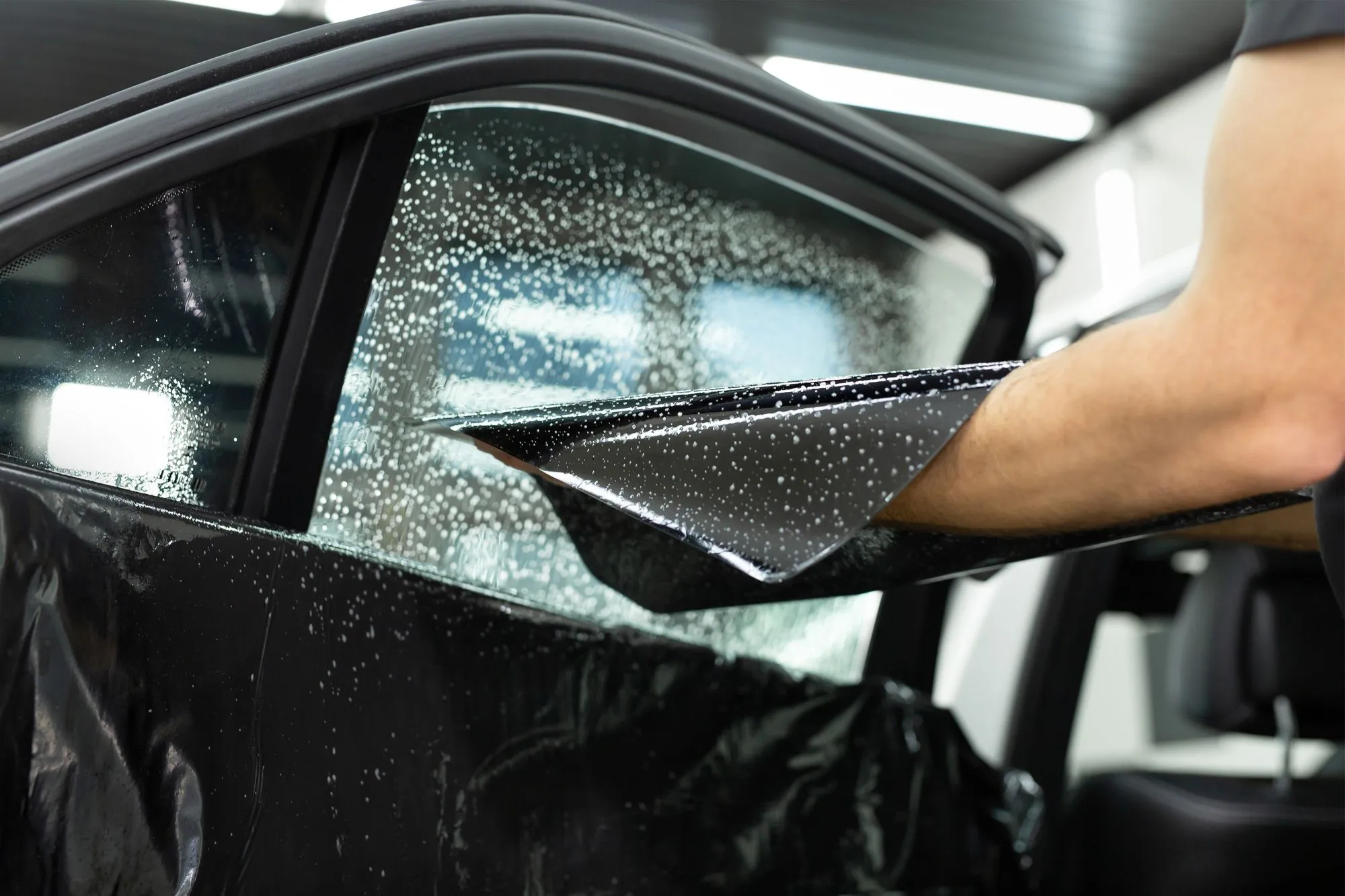
Carbon vs. Ceramic Window Tint comes up because both technologies look great, both improve comfort, and both can be installed legally with the right shade plan. The difference is how each film handles heat and light. Carbon film uses carbon particles that help reduce heat and add a rich, neutral tone. Ceramic film uses nano-ceramic particles that target the higher heat portion of sunlight for stronger performance at similar shades. If you want the best balance of heat rejection and clarity, ceramic usually wins. If you want a solid upgrade with a refined look, carbon is a smart step up from basic dyed film.
Explore our lineup on the Window Tint service page or start a consultation to sample both in person.
| Feature | Carbon Film | Ceramic Film |
|---|---|---|
| Heat rejection | Strong improvement over dyed film | Highest comfort at similar shades |
| Glare reduction | Good at medium to dark shades | Excellent even at lighter shades |
| Clarity | Clean, slightly softer than ceramic | Very clear with low haze |
| Color stability | Resists fading better than dyed | Outstanding long term stability |
| Signal interference | Non-metal so friendly to electronics | Non-metal and signal friendly |
| Appearance | Neutral charcoal with a refined matte tone | Neutral, crisp tone that matches modern vehicles |
| Best for | Value-minded drivers who want real gains | Drivers who want maximum comfort and clarity |
Want to see these differences on your glass. Visit our shop at 24552 S MacArthur Dr, Tracy, CA 95376 and we will place swatches side by side.
Carbon vs. Ceramic Window Tint matters most when the temperature climbs. Tracy summers can turn any cabin into an oven. Both films cut heat compared to bare glass, yet ceramic’s nano-ceramic construction targets the most uncomfortable portion of solar energy more effectively. That means:
If beating the heat is your top priority, ceramic is the standout. Carbon still delivers a noticeable improvement for daily comfort and is a big step above entry-level films. For a hands-on demo, book a consultation and feel the difference with our sample board.
Carbon vs. Ceramic Window Tint also shows up at night. Both reduce glare in bright conditions. Ceramic tends to maintain a bit more optical clarity at the same shade, which helps with street signs and low light driving. If you prefer lighter front shades for visibility but still want strong comfort, ceramic is the go-to because it performs well without going very dark. Carbon remains a clean, neutral choice if you plan to run medium or darker shades in the rear for privacy.
Need to fine tune for sunrise and sunset. Ask about a legal visor strip and a balanced shade plan on our Window Tint page.
Carbon vs. Ceramic Window Tint is about longevity too. Both carbon and ceramic films are engineered to resist fading and purple shift that older dyed films can show. Over years of sun, ceramic typically holds its tone and clarity extremely well. Carbon’s neutral charcoal look is popular for trucks and SUVs because it reads premium without looking mirrored. If you value a finish that stays consistent through Tracy summers, ceramic is the top performer and carbon is a reliable second.
Pair your tint with proper washing habits and you will keep edges crisp and glass clear. If your paint needs a refresh to match the new glass, consider paint correction before a coating.
Carbon vs. Ceramic Window Tint both avoid a common problem of metallic films. Neither carbon nor ceramic uses metal layers, so they are friendly to GPS, mobile, keyless entry, and defroster lines. Your tech keeps working as intended, which matters on modern vehicles and especially on EVs and trucks with integrated antennas.
If you are a Tesla owner, visit our Tesla window tinting page for model-specific notes.
Carbon vs. Ceramic Window Tint comes with real world durability differences. Ceramic is generally the most robust in terms of long term clarity and color stability. Carbon holds up very well and is much more durable than dyed films. In both cases, installation quality and aftercare matter.
As an XPEL certified installer and vendor, our films are backed by strong warranties on materials and our shop stands behind the work. See how we approach quality on our Window Tint page and learn more about us.
Carbon vs. Ceramic Window Tint is easier to decide when you match the shade plan to your goals.
Pick a lighter ceramic shade up front with a step darker in the rear. You will cut heat significantly without losing night clarity. Families and commuters love this layout.
Carbon or ceramic both work well here. Use medium to dark rear shades for privacy and a lighter front that looks clean from every angle. If your vehicle has factory privacy glass, we can enhance heat rejection on those panes and choose a complementary front shade.
Choose one shade family across all windows for a consistent appearance. Ceramic tends to look especially crisp in bright sun. We align edges carefully for a factory-like finish.
Large glass areas add heat quickly. Ceramic often makes the most sense for roofs and big rear windows since it delivers strong comfort without excessive darkness. See our Tesla window tinting page for details.
If you are unsure, we will meter your glass and place live samples during your consultation so you can compare from the driver seat.
Carbon vs. Ceramic Window Tint must fit practical guidelines when you drive in California. We will:
If you have questions about compliant setups, ask our team during your visit or review options on the Window Tint page. We make legal planning simple so you avoid rework later.
Carbon vs. Ceramic Window Tint only performs as well as the installation. Here is how we handle your car at our Tracy shop:
Ask about availability for same day window tinting. We do our best to accommodate busy schedules.
Carbon vs. Ceramic Window Tint is step one in a balanced protection plan. Consider these upgrades:
Explore everything on our services and browse inspiration on the blog. Check current window tint deals before you book.
We install carbon and ceramic window tint for drivers in Tracy, Mountain House, Lathrop, Manteca, Livermore, Pleasanton, Dublin, San Ramon, Stockton, Brentwood, and neighboring communities. If your commute runs along I-205, I-580, or I-5, a performance film setup makes a daily difference.
Carbon vs. Ceramic Window Tint decisions are easier with a trusted installer:
Learn more about us and see why local owners trust our team at 24552 S MacArthur Dr, Tracy, CA 95376.
Carbon vs. Ceramic Window Tint becomes clear when you see both on your glass. Call (209) 207-9386 or visit https://tracyppfandtint.com/contact-us/ to schedule your appointment. You can also book a consultation to sample shades and build a legal, comfortable setup for your drive.
Ceramic typically offers stronger heat rejection at similar shades, which helps the cabin cool faster and stay comfortable on hot afternoons.
No. Shade darkness is defined by VLT. Ceramic often looks crisper and clearer at the same VLT, but not necessarily darker.
Both carbon and ceramic films are non-metal and designed to be friendly to electronics. Your tech continues to work as intended.
Yes. Carbon is a strong upgrade over dyed film. It delivers real heat and glare reduction with a refined, neutral look.
We meter your glass, explain practical guidelines, and provide documentation when applicable. We will map a plan that fits your goals and daily routes.
Use ammonia-free glass cleaner and soft microfiber towels, avoid sharp tools at edges, and follow the short initial cure guidelines we provide at pickup.
Absolutely. Many drivers add PPF to high impact areas and XPEL Fusion ceramic coating for easy washing. We coordinate schedules so your car leaves fully protected.
When you reach out, have your year, make, model, and service goals ready so we can give you the best recommendations. For PPF, remember we never use templates—everything is custom fit and wrapped around the edges for cleaner lines and stronger coverage. For tint, we’ll suggest XPEL Prime shades that balance heat rejection, visibility, and style for daily Tracy driving. For coatings, we’ll review prep and care so your XPEL Fusion finish looks great longer. Want a full package? We’ll tailor a plan that matches your commute, parking, and budget. Book by phone at (209) 207-9386 or online at tracyppfandtint.com/contact-us.
Explore the many services we offer by clicking the boxes below